A few years ago I started switching out harsh household cleaners for safer cleaners. Yes, I bought a few that didn't seem to do the job, but I eventually on Method and Seventh Generation. Now that I am pregnant, I'm glad I made the switch.
According to USA Today, spray cleaners send thousands of babies and toddlers to the emergency room each year.
Nearly 12,000 children under age 5 go to the emergency room each year because of injuries caused by household cleaning products, according to a study in today'sPediatrics. About 40% of those injuries - or nearly 4,800 cases - are caused by spray bottles, which typically don't have child-resistant caps, according to the study of 267,269 children.
Spray cleaners can contain a range of hazardous chemicals, from ammonia to bleach. More than 740 of all small children injured by cleaning supplies in 2006 had symptoms that were life-threatening or caused long-term disabilities, the study says.
Spray bottles usually have bright packaging, with fruity or flowery scents and bright colors, and the spray handles make them feel like squirt guns, she says.
Many stores now sell safer household cleaners or you can make your own for much less.
Healthychild.org shares a few safer cleaners you can make:
Household Cleaner Instructions
All-Purpose Cleaner 1/2 cup vinegar
1/4 cup baking soda
1/2 gallon water
Mix ingredients above to store and keep.
Toilet Bowl Cleaner 1/4 cup baking soda
1 cup vinegar
Mix ingredients above. Pour into basin and allow to set for three minutes. Scrub with brush and rinse.
Rust Remover 1 lime
Salt
Sprinkle a little salt on the rust. Squeeze a lime over the salt until it is well soaked. Let the mixture set for two to three hours. Use the leftover rind to scrub the residue.
Glass Cleaner 1/4 cup white vinegar
1 tablespoon cornstarch
1 quart warm water
Mix ingredients above. Pour into a spray bottle or apply with a sponge. For lint-free results, wipe dry with crumpled newspaper instead of paper towels. Buff to a shine.
Furniture Polish 1 lemon
1 teaspoon olive oil
1 teaspoon water
Extract the juice from the lemon. Mix with oil and water. Apply a thin coat to the wood surface and let set for five minutes. Use a soft cloth to buff to a deep shine.
Monday, August 2, 2010
Thursday, July 22, 2010
Taking probiotics while pregnant can lower eczema risk in kids
It's red, itchy and irritating to treat. Eczema can be a difficult to treat allergic skin reaction that can appear on infants' foreheads, cheeks, arms and legs or in the creases of elbows and knees in older kids.
A new study suggests that pregnant women who eat probiotic containing foods like yogurt and kefir or take supplements reduce their babies chance of developing eczema by forty percent.
Researchers with the Norwegian University of Science and Technology followed 415 pregnant women until their kids turned 2 years old.
As part of the randomized, double-blind study, researchers gave pregnant women who were 36 weeks pregnant, milk that contained probiotics and the other half received regular milk. Neither group knew which one they received. The mothers continued to drink the milk three months after they gave birth.
Researchers found mothers who drank the milk with probiotics reduced their child's chance of developing eczema by 40 percent and they say the kids in the probiotic group who did develop eczema had minor outbreaks.

Read more stories on Heather's Natural Health
Probiotic bacteria occurs naturally in the digestive track and can strengthen the immune system. This is the first time a study has suggested that pregnant women can add probiotics to their diet to improve their baby's health.
Parents typically try to avoid flare-ups of the autoimmune disease by eliminating known triggers including harsh soaps and bubble baths and keeping their kids' skin moisturized.
According to Consumer Reports Health, look for yogurt that contains the National Yogurt Association's Live and Active Cultures seal or if you prefer to buy a probiotic supplement, make sure it contains at least 1 billion lactobacillus.
Some foods that contain probiotics include:
Yogurt, buttermilk, kefir, tempeh (fermented soy) miso (Japanese seasoning) sauerkraut, kim chi.
A new study suggests that pregnant women who eat probiotic containing foods like yogurt and kefir or take supplements reduce their babies chance of developing eczema by forty percent.
Researchers with the Norwegian University of Science and Technology followed 415 pregnant women until their kids turned 2 years old.
As part of the randomized, double-blind study, researchers gave pregnant women who were 36 weeks pregnant, milk that contained probiotics and the other half received regular milk. Neither group knew which one they received. The mothers continued to drink the milk three months after they gave birth.
Researchers found mothers who drank the milk with probiotics reduced their child's chance of developing eczema by 40 percent and they say the kids in the probiotic group who did develop eczema had minor outbreaks.
Read more stories on Heather's Natural Health
Probiotic bacteria occurs naturally in the digestive track and can strengthen the immune system. This is the first time a study has suggested that pregnant women can add probiotics to their diet to improve their baby's health.
Parents typically try to avoid flare-ups of the autoimmune disease by eliminating known triggers including harsh soaps and bubble baths and keeping their kids' skin moisturized.
According to Consumer Reports Health, look for yogurt that contains the National Yogurt Association's Live and Active Cultures seal or if you prefer to buy a probiotic supplement, make sure it contains at least 1 billion lactobacillus.
Some foods that contain probiotics include:
Yogurt, buttermilk, kefir, tempeh (fermented soy) miso (Japanese seasoning) sauerkraut, kim chi.


Wednesday, July 21, 2010
I curtail my candy cravings by just reading the ingredient labels... many are loaded with synthetic food dyes
The European Union has started putting warning labels on candy, fruit drinks, cereals and other processed foods that contain controversial synthetic food dyes. The EU wants food companies to phase out the use of chemical foods dyes in favor of real food flavors.
The move is forcing some U.S. companies to reformulate their foods and add real foods flavors and colors so their products can be sold in Europe. For example, one U.S company that sells strawberry sundaes uses Red dye number 40 in its U.S. sundaes but swaps the dye for real strawberries in their products sold in Europe.
Consumer groups want the FDA to pressure U.S. food companies to use real food colors and flavorings too, especially in processed foods that target kids.

The Center for Science in the Public Interest (CSPI) says the dyes - used in a commercially prepared foods ranging from candy to breakfast cereals and salad dressing - present a "rainbow of risks" and can cause allergic reactions, hyperactivity, and even cancer.
"These synthetic chemicals do absolutely nothing to improve the nutritional quality or safety of foods, but trigger behavior problems in children and, possibly, cancer in anybody," Michael F. Jacobson, executive director of the nonprofit group, said in a written statement. "The Food and Drug Administration should ban dyes, which would force industry to color foods with real food ingredients, not toxic petrochemicals."
Jacobson is co-author of a new report entitled"Food Dyes: A Rainbow of Risks."
The group says the three most widely used dyes - Red 40, Yellow 5, and Yellow 6 - are contaminated with cancer-causing substances. Another dye, Red 3, has been identified as a carcinogen by the FDA but is still in commercial use.
Other dyes have been linked to allergic reactions, the group says, and studies show that dyes can cause hyperacitivity in children.
Despite those concerns, manufacturers put about 15 million pounds of eight synthetic dyes into our foods each year, according to the group. Per capita consumption of dyes has risen five-fold since 1955, thanks in part to the proliferation of brightly colored cereals, fruit drinks, and candies pitched to children.
The continued use of food dyes presents "unnecessary risks to humans, especially young children," James Huff, associate director for chemical carcinogenesis at the National Institute of Environmental Health Sciences' National Toxicology Program, said in a statement. "It's disappointing that the FDA has not addressed the toxic threat posed by food dyes."
Other governments have already taken action against food dyes, according to the group. The British government asked companies to phase out most dyes by last December 31, and the European Union will require a warning notice on most dyed foods starting on July 20.
The group predicted that the label notice might be the "death knell" for dyes across Europe.
If the CSPI has its way, the dyes will die here too.
Friday, June 25, 2010
Pregnant women need to lower exposure to everyday chemicals to protect baby
As a CBS TV news reporter, I read a lot of studies about how everyday chemicals including household cleaners, scented body lotions and pesticides bioaccumulate in our bodies.
A recent report from the President's Cancer Panel suggested that public health officials have "grossly underestimated" how chemicals in our environment have contributed to cancer among the 1.5 million people in the U.S. who are diagnosed every year.
Since there are no longterm studies proving this chemical cocktail is safe, there's no harm in making a few changes.
Now that I am pregnant (baby girl is due in October) I am trying my best to make a conscious effort to cut down on my exposure to everyday chemicals.
There's good reason for pregnant women to look for safer products...
Two major independent labs found newborns had, on average, 200 industrial chemicals and pollutants in their umbilical cord blood (collected by the Red Cross after the cord was cut).
Click here to read Body Burden: The Pollution in Newborns.
A pregnant woman's exposure to harsh cleaning products, stain repellants, pesticides can be passed along to her unborn child.
Here are 9 ways you can lower your exposure to everyday chemicals:
(Courtesy/Consumer Advocacy Non-Profit/Environmental Working Group)
1. Filter your tap water. Common carcinogens in tap water include arsenic, chromium, and chemical byproducts that form when water is disinfected. A simple carbon tap-mounted filter or pitcher can help reduce the levels of some of these contaminants. If your water is polluted with arsenic or chromium, a reverse osmosis filter will help. Learn about your tap water and home water filters at EWG's National Tap Water Database.
2. Seal outdoor wooden decks and play sets. Those built before 2005 are likely coated with an arsenic pesticide that can stick to hands and clothing. Learn more from EWG.
3. Cut down on stain- and grease-proofing chemicals. "Fluorochemicals" related to Teflon and Scotchgard are used in stain repellants on carpets and couches and in greaseproof coatings for packaged and fast foods. To avoid them, avoid greasy packaged foods and say no to optional stain treatments in the home. Download EWG's Guide to PFCs.
4. Stay safe in the sun. More than one million cases of skin cancer are diagnosed in the United States each year. To protect your skin from the sun's cancer-causing ultraviolet (UV) radiation, seek shade, wear protective clothing and use a safe and effective sunscreen from EWG's sunscreen database.
5. Cut down on fatty meat and high-fat dairy products. Long-lasting cancer-causing pollutants like dioxins and PCBs accumulate in the food chain and concentrate in animal fat.
6. Eat EWG's Clean 15. Many pesticides have been linked to cancer. Eating from EWG's Clean 15 list of the least contaminated fruits and vegetables will help cut your pesticide exposures. (And for EWG's Dirty Dozen, buy organic.) Learn more at EWG's Shopper's Guide to Pesticides.
7. Cut your exposures to BPA. Bisphenol A (BPA) is a synthetic estrogen found in some hard plastic water bottles, canned infant formula, and canned foods. Some of these chemicals cause cancer in lab studies. To avoid them, eat fewer canned foods, breast feed your baby or use powdered formula, and choose water bottles free of BPA. Get EWG's tips to avoid it.
8. Avoid carcinogens in cosmetics. Use EWG's Skin Deep cosmetic database to find products free of chemicals known or suspected to cause cancer. When you're shopping, don't buy products that list ingredients with "PEG" or "-eth" in their name.
9. Read the warnings. Some products list warnings of cancer risks -- read the label before you buy. Californians will see a "Proposition 65" warning label on products that contain chemicals the state has identified as cancer-causing.
Read more of my stories on Heather's Natural Health.
A recent report from the President's Cancer Panel suggested that public health officials have "grossly underestimated" how chemicals in our environment have contributed to cancer among the 1.5 million people in the U.S. who are diagnosed every year.
Since there are no longterm studies proving this chemical cocktail is safe, there's no harm in making a few changes.
Now that I am pregnant (baby girl is due in October) I am trying my best to make a conscious effort to cut down on my exposure to everyday chemicals.
There's good reason for pregnant women to look for safer products...
Two major independent labs found newborns had, on average, 200 industrial chemicals and pollutants in their umbilical cord blood (collected by the Red Cross after the cord was cut).
Click here to read Body Burden: The Pollution in Newborns.
A pregnant woman's exposure to harsh cleaning products, stain repellants, pesticides can be passed along to her unborn child.
Here are 9 ways you can lower your exposure to everyday chemicals:
(Courtesy/Consumer Advocacy Non-Profit/Environmental Working Group)
1. Filter your tap water. Common carcinogens in tap water include arsenic, chromium, and chemical byproducts that form when water is disinfected. A simple carbon tap-mounted filter or pitcher can help reduce the levels of some of these contaminants. If your water is polluted with arsenic or chromium, a reverse osmosis filter will help. Learn about your tap water and home water filters at EWG's National Tap Water Database.
2. Seal outdoor wooden decks and play sets. Those built before 2005 are likely coated with an arsenic pesticide that can stick to hands and clothing. Learn more from EWG.
3. Cut down on stain- and grease-proofing chemicals. "Fluorochemicals" related to Teflon and Scotchgard are used in stain repellants on carpets and couches and in greaseproof coatings for packaged and fast foods. To avoid them, avoid greasy packaged foods and say no to optional stain treatments in the home. Download EWG's Guide to PFCs.
4. Stay safe in the sun. More than one million cases of skin cancer are diagnosed in the United States each year. To protect your skin from the sun's cancer-causing ultraviolet (UV) radiation, seek shade, wear protective clothing and use a safe and effective sunscreen from EWG's sunscreen database.
5. Cut down on fatty meat and high-fat dairy products. Long-lasting cancer-causing pollutants like dioxins and PCBs accumulate in the food chain and concentrate in animal fat.
6. Eat EWG's Clean 15. Many pesticides have been linked to cancer. Eating from EWG's Clean 15 list of the least contaminated fruits and vegetables will help cut your pesticide exposures. (And for EWG's Dirty Dozen, buy organic.) Learn more at EWG's Shopper's Guide to Pesticides.
7. Cut your exposures to BPA. Bisphenol A (BPA) is a synthetic estrogen found in some hard plastic water bottles, canned infant formula, and canned foods. Some of these chemicals cause cancer in lab studies. To avoid them, eat fewer canned foods, breast feed your baby or use powdered formula, and choose water bottles free of BPA. Get EWG's tips to avoid it.
8. Avoid carcinogens in cosmetics. Use EWG's Skin Deep cosmetic database to find products free of chemicals known or suspected to cause cancer. When you're shopping, don't buy products that list ingredients with "PEG" or "-eth" in their name.
9. Read the warnings. Some products list warnings of cancer risks -- read the label before you buy. Californians will see a "Proposition 65" warning label on products that contain chemicals the state has identified as cancer-causing.
Read more of my stories on Heather's Natural Health.
Thursday, May 27, 2010
Top sunscreens for 2010
*If you want to read about the top 5 sunscreens, I put the information at the bottom of the page.
If you want to hear why this melanoma survivor (me) rarely wears sunscreen, read on.
The other day my friend asked me what kind of sunscreen do I use.
You might think I dip myself in sunscreen every morning, but it's actually the opposite.
I was diagnosed with melanoma in my 20's so I am always cautious when I'm outside and I try not to put a lot of chemicals on my skin.
A few years ago, a professor told me many suncreens use chemicals to create a barrier between your skin and the sun. Your body asbsorbs those chemicals. Researchers are taking a closer to look to see how those chemicals impact the body.
I posted an earlier story about how the CDC, Centers for Disease Control also studied sunscreen ingredients found in the bloodstream.
While the jury is out on how these chemicals impact us, I prefer to wear sun protective clothing.
I actually bought a few cover-ups and had them tailored so you can't tell they're sun protective jackets.
I wear them over my swimsuit and I usually hang out in the shade. My husband & I love to go boating so I had to find something that really would protect me.
I do wear a non-chemical, mineral powder sunscreen on my face.
It has a great brush applicator so I can keep it in my purse. You can also find similar brands at Sephora.
Some of the companies that sell sun protective clothing include:
SPFstore (great cotton t-shirts)
Coolibar (affordable)
Ayana (stylish)
But what about your kids?
My good friend, former TV producer and mom of two, Eve, researched this for us.
She says this non-chemical sunscreen (California Baby) is good for wiggly faces and the same company makes a good one for the rest of them.
(They also happen to be listed as 2 of the top 10 best sunscreens. Beware, a few years ago I bought the number 1 rated sunscreen but it turned me into a greasy, Casper the ghost! There is a fine balance here. It has to work and you can't scare your friends!)
Eve tries her best to keep their sun protective clothes and hats on their little bodies (but you know how that goes!)
Kids clothes:
Cabana Life (Target)
Now to your sunscreens:
A consumer advocacy group is out with the 2010 safest sunscreens and best UV protectors.
The Environmental Working Group investigated 1572 chemical and non-chemical sunscreens.
The non-profit group found 3 out of 5 sunscreens do not protect your skin from sun damage or they expose you to toxic chemicals, or both.
Read more stories on Heather's Natural Health
You'll notice non-chemical sunscreens made the top of the Environmental Working Group's list.
There are the top rated sunscreens for broad spectrum protection with fewer hazardous ingredients.
The sunscreen screening site, put together by the Environmental Working Group, gives detailed information about all the products and rates them based on chemical exposure and effectiveness.


According to EWG, when sunscreen ingredients break down, they can penetrate the skin and trigger allergies. The ingredients are actually designed to break down; that's part of the function of absorbing energy and keeping it out of the skin. But some break down more quickly and easily than others.
The two ingredients recommended most include zinc and titanium, which don't break down in sunlight as others do, and offer longer lasting protection as a result. They also work by reflecting sunlight, rather than absorbing it.
You should look for both SPF numbers and zinc and titanium when buying suncreens.High SPF protects best against UVB. Zinc and titanium offer maximum UVA protection. Several ingredients are far less desirable although, depending on how they're blended and what else the products contain, they're not automatically undesirable. They are avobenzone, oxybenzone and padimate O, a relative of PABA, which has come into disrepute in recent years.
You can read more about how a skin cancer exam save my life by clicking here. I'd love to hear what type of sun protection works best for you.
Tuesday, May 25, 2010
HEATHER'S BLOG: I'm pregnant!
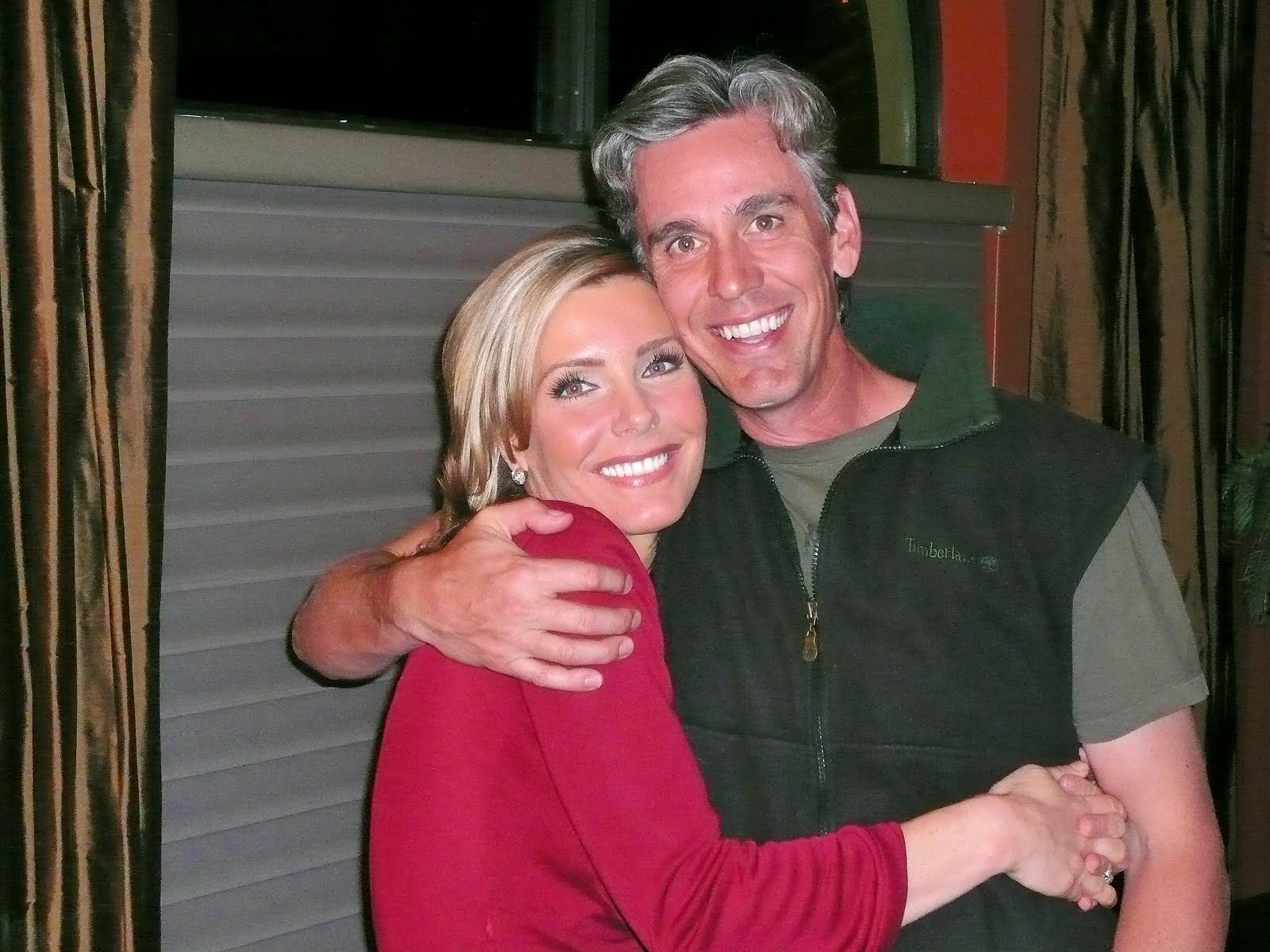
It's official! Mike and I are having a baby! We're almost 5 months into pregnancy and we STILL can't believe we're having a baby girl!
We have been married long enough (10 years!) to see our friends and family go through the major transformation that comes with starting a family. We have been dragging our feet for years.
I wanted to get healthy (I had a melanoma scare in my 20's), we commuted for a while and we really enjoyed just hanging out together.
We travelled a lot, invested in our careers but at the end of the day, we realized the close relationship we have with our parents would never be passed on unless we had a family of our own.

I'm not sure we're ready (are you ever really ready?) but we are really excited!
(Disclaimer: cute baby below is not mine. Mine will have much thicker eyebrows!)

Having a baby is all about change... so I am trying to keep a flexible attitude about EVERYTHING!
As I take this journey, I hope you'll share your baby experiences too (I'm still not sure about where to give birth--just one out of a million questions I still have...).
I am going to BLOG along the way on Heather's Natural Health. That's my webpage where I share how eating clean simple foods, cutting down on exposure to everyday chemicals and finding simple solutions to stay healthy have dramatically changed my life.
So it's probably no surprise that one of my 2010 New Year's resolutions was to try acupuncture.
I figured it could only help reduce stress, increase blood flow and help me figure out WHEN I actually ovulate--something I've never really been able to do.
This is the first time we have "actively" tried to get pregnant. Listen to how crazy this sounds...
I went to see licensed acupuncturist, Carolyn Huffman/Huffman Wellness in South Tampa back in January. She specializes in fertility.
Part of her treatment plan includes nutrition counseling (cutting out caffeine, alcohol and processed foods for at least 3 months. I had to say goodbye to my afternoon shot of coffee) and learning how to chart your cycle.

Every morning she asked me to take my temperature and record it on this chart. I had two acupuncture sessions a week, for two weeks in a row. She helped me figure out when the "time" was right.
I don't like to take herbs (for several reasons--they're usually imported from China or India where lead contamination is a concern, there's no third party independent testing or FDA regulation, and I like to know what I put into my body) but I must admit, she convinced me to give some a try.
You can imagine my surprise when I starting to see my temperature climb after just two weeks!!
I took four pregnancy tests in a row and they all said the same thing-PREGNANT!
Now of course, my husband maintains this has more to do with him than acupuncture (absolutely!) but I have continued to have acupuncture treatments and I am still amazed to say, I had NO MORNING SICKNESS--ZIPPO, NOTHING at all. I didn't call in sick to work once.
I have more energy than I've ever expected and the needle she places in my stomach to help with "digestion" has worked wonders!
I have to be honest... I entered into this plan skeptical. As a former investigative journalist that's just my nature, but I am completely convinced that there is a reason acupuncture is used by many cultures and has been around for 3,000 years.
Here's my only disclaimer: make sure you see an OB/GYN to confirm you don't have any serious underlying problems. Click here to make sure your acupunturist is licensed by the state and see if your insurance covers it (my in-network price is $50 a session) and if you decide to try acupuncture, it's recommended that you stick with it for at least 3 months.
Over the next few months, I'll BLOG about where to find a good deal on maternity clothes (not easy!) the natural way to keep your skin clear and any other interesting tips I find along the way.
I hope you will share your advice too! I have a lot to learn! Thanks to some great girlfriends, my idea of a "natural birth" is out the window right now.
Please email any story ideas to: hvannest@10connects.com.
Congratulations to those of you expecting too!
I applaud all of the great mommies out there who are tackling the toughest (and most rewarding) job in the world!
Here we go...
Monday, May 10, 2010
Nutrition advice for anyone going through cancer treatment
As a journalist, I am fortunate to interview a variety of people on CBS/10Connects News and also on my web page: Heather's Natural Health.
I personally know the healing power of eating fresh, simple foods and avoiding processed sugary foods -- I made the change 10 years ago and feel so much better -- I can't go back!
When my dad was recently diagnosed with inoperable mesothelioma, I searched all around the country for a realistic, comprehensive treatment plan that included an integrative approach to cancer care. While the major cancer centers we visited all recommended he try chemotherapy, they couldn't offer any nutrition advice. So I kept searching...
"Integrative oncologist" may seem like an oxymoron, but they really do exist!
I also needed to find someone who could be realistic. My dad would never juice 80 carrots a day, but he would be willing to improve his diet while undergoing chemotherapy, something he wanted to do.
I recently interviewed Rebecca Katz, author of The Cancer-Fighting Kitchen.
Rebecca, along with Dr. Andrew Weil and others, all recommended the same person, Dr. Keith Block at the Block Center for Integrative Cancer Care in Illinois and author of Life Over Cancer.
I had a chance to sit down with Dr. Block and ask him if eating fresh, whole foods really makes a difference in the fight against cancer. He says the simple answer is yes. Everything you eat or drink changes the chemistry of your blood.
For nearly three decades, Dr. Block and his research staff have studied how diet and lifestyle changes (two things patients can control) can slow cancers, ease chemotherapy side effects, improve quality of life and give survivors an edge.
Dr. Block has noticed that nutrition has a profound effect. Patients who take control of their daily choices are in better shape to fight cancer and respond better to treatment.
Dr. Block advises his patients eat more:
•Egg whites
•Legumes (lentil beans, check peas)
•Seeds
•Nuts
•Good fats (olive oil, flaxseed oil, fish oil)
•Cold water fish (wild salmon)
•Whole grains
•Cruciferious vegetables (broccoli, cabbage)
•Berries (blueberries, strawberries, raspberries)
•Green tea
Dr. Block advises his patients avoid:
•Dairy products (promotes inflammation and mucus production)
•Red meat (iron supports cancer cells and too high in bad fats)
•Processed sugary foods (promotes inflammation and fuels cancer)
•Bad fats (trans fats, saturated fats in processed baked goods)
Dr. Block says sugar can give cancer the upper hand.
He sites studies that suggest breast cancer patients who add exercise and cut out processed sugar are able to keep their insulin levels under control and cut their risk of recurrence in half and decrease cancer death by two-thirds.
He adds,"Cancer cells are glucose guzzlers. Think about this, the way a Petscan works is by introducing glucose into a patient to see the cancer cells that would divide more rapidly because of the glucose. There are many studies that show in various cancers that show as you increase blood sugar levels, you speed up growth of cancer. In fact the survival, response to treatment the outcomes are all clearly associated with the ability to maintain or lose control of sugar levels and its impact on insulin."
Dr. Block has also noticed patients who eat nutritious foods and take certain supplements during chemotherapy ease side effects.
Dr. Block advises his patients try these things before chemotherapy:
•Take two 500 mg capsules of ginger root 15 minutes beforehand
•Exercise for 15 minutes an hour before treatment (walk, ride bike)
•Check vitamin D levels in advance (simple blood test)
•Take fish oil (anti-inflammatory)
•Take curcumin (anti-inflammatory)
•Sit outside in morning sun for 15 minutes
Dr. Block has his patients mix powdered glutamine in water before, during and after chemotherapy to prevent mouth sores and neuropathy--tingling of the hands and feet.
Dr. Block says,"What we have our patients do is take 10-20 grams of glutamine in a bottle of water and have them sip it during chemotherapy. It will help prevent mouth sores. It will boost immune function and it will protect from some of the nerve damage that can occur from chemotherapy."
I personally know the healing power of eating fresh, simple foods and avoiding processed sugary foods -- I made the change 10 years ago and feel so much better -- I can't go back!
When my dad was recently diagnosed with inoperable mesothelioma, I searched all around the country for a realistic, comprehensive treatment plan that included an integrative approach to cancer care. While the major cancer centers we visited all recommended he try chemotherapy, they couldn't offer any nutrition advice. So I kept searching...
"Integrative oncologist" may seem like an oxymoron, but they really do exist!
I also needed to find someone who could be realistic. My dad would never juice 80 carrots a day, but he would be willing to improve his diet while undergoing chemotherapy, something he wanted to do.
I recently interviewed Rebecca Katz, author of The Cancer-Fighting Kitchen.
Rebecca, along with Dr. Andrew Weil and others, all recommended the same person, Dr. Keith Block at the Block Center for Integrative Cancer Care in Illinois and author of Life Over Cancer.
I had a chance to sit down with Dr. Block and ask him if eating fresh, whole foods really makes a difference in the fight against cancer. He says the simple answer is yes. Everything you eat or drink changes the chemistry of your blood.
For nearly three decades, Dr. Block and his research staff have studied how diet and lifestyle changes (two things patients can control) can slow cancers, ease chemotherapy side effects, improve quality of life and give survivors an edge.
Dr. Block has noticed that nutrition has a profound effect. Patients who take control of their daily choices are in better shape to fight cancer and respond better to treatment.
Dr. Block advises his patients eat more:
•Egg whites
•Legumes (lentil beans, check peas)
•Seeds
•Nuts
•Good fats (olive oil, flaxseed oil, fish oil)
•Cold water fish (wild salmon)
•Whole grains
•Cruciferious vegetables (broccoli, cabbage)
•Berries (blueberries, strawberries, raspberries)
•Green tea
Dr. Block advises his patients avoid:
•Dairy products (promotes inflammation and mucus production)
•Red meat (iron supports cancer cells and too high in bad fats)
•Processed sugary foods (promotes inflammation and fuels cancer)
•Bad fats (trans fats, saturated fats in processed baked goods)
Dr. Block says sugar can give cancer the upper hand.
He sites studies that suggest breast cancer patients who add exercise and cut out processed sugar are able to keep their insulin levels under control and cut their risk of recurrence in half and decrease cancer death by two-thirds.
He adds,"Cancer cells are glucose guzzlers. Think about this, the way a Petscan works is by introducing glucose into a patient to see the cancer cells that would divide more rapidly because of the glucose. There are many studies that show in various cancers that show as you increase blood sugar levels, you speed up growth of cancer. In fact the survival, response to treatment the outcomes are all clearly associated with the ability to maintain or lose control of sugar levels and its impact on insulin."
Dr. Block has also noticed patients who eat nutritious foods and take certain supplements during chemotherapy ease side effects.
Dr. Block advises his patients try these things before chemotherapy:
•Take two 500 mg capsules of ginger root 15 minutes beforehand
•Exercise for 15 minutes an hour before treatment (walk, ride bike)
•Check vitamin D levels in advance (simple blood test)
•Take fish oil (anti-inflammatory)
•Take curcumin (anti-inflammatory)
•Sit outside in morning sun for 15 minutes
Dr. Block has his patients mix powdered glutamine in water before, during and after chemotherapy to prevent mouth sores and neuropathy--tingling of the hands and feet.
Dr. Block says,"What we have our patients do is take 10-20 grams of glutamine in a bottle of water and have them sip it during chemotherapy. It will help prevent mouth sores. It will boost immune function and it will protect from some of the nerve damage that can occur from chemotherapy."
Subscribe to:
Posts (Atom)